Upgrade Your Celebration: Remarkable Culinary Services for All Occasions
Transforming an event through catering necessitates thorough assessment of several elements. The choice of catering format can significantly impact the overall experience. Movements such as engaging food displays and eco-friendly components are becoming increasingly popular. Additionally, addressing dietary needs and maintaining financial boundaries are critical. Appreciating these elements can elevate an average gathering into an unforgettable experience. However, determining the ideal plan and support is fundamental for accomplishing the intended outcome. What actions should be considered moving forward?
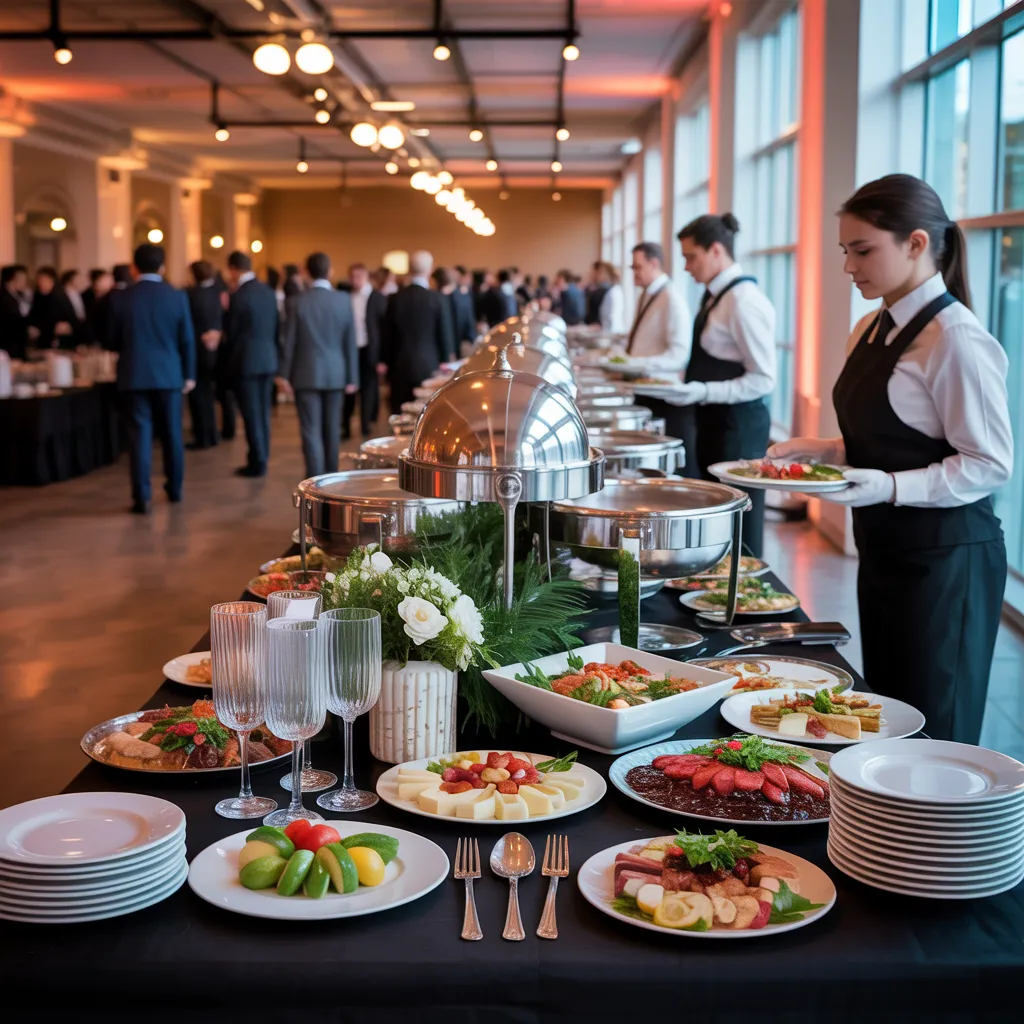
How to Choose the Perfect Catering Style for Your Event
When planning an event, how can one identify the most suitable catering style? The decision relies on various key elements, including the event type, guest count, and venue. Formal events, such as corporate functions or weddings, frequently call for plated service, which delivers a sophisticated dining experience. By comparison, relaxed gatherings like informal parties may call for a buffet or family-style dining setup, encouraging mingling and interaction among guests.
An additional factor is the dietary preferences and restrictions of attendees, which necessitate a versatile menu that addresses a range of dietary considerations. Furthermore, the budget is a critical factor; certain catering approaches can be more economical than alternatives. Lastly, the general ambiance sought should match the chosen catering style, whether it be elegant or casual. In the end, understanding these elements allows event planners to select a catering style that enhances the gathering while fulfilling both stylistic and operational demands.
The Best Catering Trends to Delight Your Guests
Modern events increasingly embrace creative catering concepts that transform the attendee experience. One standout approach is the incorporation of engaging food displays, giving guests the opportunity to customize their meals in live settings. This not only brings an engaging element but also encourages social interaction among attendees.
Sustainable and regionally sourced ingredients are growing in prominence, reflecting a growing awareness of environmental impact and health consciousness. This trend not only enhances flavor but also supports local economies.
Moreover, themed gastronomic adventures immerse guests in global traditions through thoughtfully prepared cuisine, creating memorable dining moments. As a final point, the growing popularity of visually stunning presentations, such as intricate edible compositions and striking arrangements, establishes that each creation offers as much visual splendor as culinary satisfaction. Collectively, these advancements elevate the overall catering experience, leaving a lasting impression on guests and setting the tone for the event.
How to Make Sure Everyone's Dietary Needs Are Met
Addressing dietary needs at events requires early identification of restrictions to guarantee inclusivity. Offering a diverse menu that accommodates various preferences and requirements is essential for guest satisfaction. Transparent labeling of food items also assists in eliminating misunderstandings and encourages a safe and enjoyable dining experience.
Recognize Dietary Restrictions From the Start
How can event organizers guarantee that every guest feels included and satisfied? Identifying dietary restrictions early is vital for achieving this goal. In advance of the event, organizers should issue invitations that incorporate a request for food preferences and dietary restrictions. This forward-thinking method enables them to collect vital information and address diverse requirements, including allergies, intolerances, and lifestyle preferences such as veganism or gluten-free eating.
Event planners may also want to consider creating a simple online form or survey to streamline the process. By gathering and organizing this information, they can assure that all guests are catered for, promoting an inclusive and welcoming environment. At the end of the day, proactively identifying dietary needs not only boosts attendee satisfaction but also reflects the organizer's commitment to thoughtful planning.
Feature an Extensive Array of Menu Options
Following the collection of dietary restrictions, event organizers can proceed by presenting a wide range of menu options designed to suit all attendees. A well-curated menu should include vegetarian, vegan, gluten-free, and nut-free choices, making certain that no one feels excluded. Through the inclusion of diverse culinary traditions, organizers can satisfy various tastes while honoring dietary preferences and limitations. Seasonal ingredients can enhance flavor and freshness, making dishes more appealing. Additionally, providing a mix of appetizers, main courses, and desserts allows guests to enjoy a full dining experience. Engaging with caterers who specialize in diverse offerings can help guarantee that all dietary needs are met, ultimately creating an inclusive atmosphere that elevates the overall event experience.
Clearly Label Your Food
How can event organizers ensure guests are well-informed and comfortable with their food options? Accurate food labeling plays a vital role in accommodating dietary needs. Event planners should use clear signage that identifies ingredients and draws attention to common allergens including nuts, gluten, and dairy. Such openness enables attendees to make educated choices and prevents possible health concerns. Moreover, using color-coded labels can streamline the process of identifying vegan, vegetarian, and gluten-free dishes. Including comprehensive descriptions on menus boosts clarity and fosters greater guest involvement. Event planners should also ensure that knowledgeable staff members are on hand to address food-related inquiries. By putting these practices into place, event planners can cultivate a hospitable setting where all guests feel secure in their food decisions, ultimately improving the overall quality of the event.
Creating a Personalized Menu for Your Theme
Creating a bespoke food selection for an themed occasion transforms the entire experience, assuring that the menu choices resonate with the event's character. A carefully crafted food menu embodies the gathering's mood, be it a formal gala, a fun-filled birthday event, or a relaxed outdoor picnic. By incorporating the theme, hosts can curate food options that complement traditions, visual themes, and cultural inspirations.
Utilizing ingredients that are in season does more than boost taste as it also suits the aesthetic direction of the gathering. By way of example, a tropical celebration could showcase bright tropical fruits and stimulating seafood selections, while a rustic occasion could feature wholesome, locally obtained dishes. Moreover, addressing dietary needs and limitations promotes an inclusive dining experience, enabling every attendee to partake in the dining experience.
Fundamentally, a bespoke menu converts ordinary dining into an integral part of the event's narrative, making an unforgettable impact that transcends the closing plate.
How Professional Service Makes a Difference in Catering
Expert catering service significantly elevates the entire event experience, guaranteeing that guests feel acknowledged and respected. Dependability and uniformity are essential qualities that set professional caterers apart, giving certainty that each detail will satisfy requirements. This degree of professionalism not only showcases the event's caliber but also bolsters the host's credibility.
Impact on Event Experience
Although the cuisine presented at an event is often a central consideration, the quality of professional catering greatly impacts the overall experience. Professional catering staff not only guarantee that dishes are presented beautifully but also manage the timing and flow of service, which can elevate guest enjoyment. Dedicated service staff create an inviting atmosphere, allowing hosts to interact with their guests without concern. In addition, experienced service professionals can provide guidance about the menu, guaranteeing guests are knowledgeable and pleased with their selections. Ultimately, the flawless delivery of catering services contributes to a memorable event, leaving a enduring impact on attendees. A expertly organized catering experience transforms the occasion, highlighting the importance of professional service in event planning.
Dependability and Consistency Guarantee
Ensuring consistency and reliability in catering services is essential for a successful event. When clients work with professional caterers, they look forward to a flawless experience, from organization to delivery. Reliable catering companies adhere to high standards, ensuring that food quality, presentation, and service remain consistent. This consistency reassures clients that their guests will enjoy a memorable dining experience.
In addition, expert catering professionals are proficient at navigating logistical complexities, like sudden modifications or food requirements, without compromising service quality. Their expertise enables them to anticipate potential issues, easing concerns for event managers. Ultimately, the dependability of a catering provider directly impacts the overall success of an event, fostering trust and encouraging clients to return for future occasions.
Planning Your Catering Budget: Getting the Most Value
Managing the challenges of planning a catering budget can significantly influence the total success of an event. Establishing a clear budget is essential, as it sets the parameters for all catering-related decisions. Those organizing events should begin by determining the total amount available and breaking it down into specific categories, such as beverages, food, and service charges.
Distinguishing between needs and wants can help maximize value; for instance, selecting a buffet style may provide more diverse options at a reduced cost compared to plated dining. Furthermore, working out deals with catering providers can yield discounts or package deals, improving the event experience while staying within budget.
Including seasonal ingredients can further decrease overall costs while delivering consistently fresh and delicious meals. By methodically evaluating options and making informed choices, those planning events can deliver an exceptional catering outcome that meets their financial constraints without sacrificing quality.
Evaluating and Choosing the Right Catering Service
What steps can event planners take to properly assess and select the ideal catering service? The first step involves determining specific event needs, such as the preferred cuisine style, number of guests, and any dietary restrictions. Subsequently, planners are advised to evaluate possible caterers through online ratings, customer feedback, and documented records of prior events. Arranging tastings is a critical step in evaluating food quality and visual presentation.
Financial considerations are a critical aspect; planners should secure comprehensive quotes covering all expenses, including service fees and potential overtime charges. Communicating directly with catering professionals enables organizers to evaluate their responsiveness and capacity to handle specific needs. Additionally, checking for proper licenses and insurance guarantees reliability and professionalism.
Finally, event planners should obtain recommendations from fellow professionals or industry connections to refine their choices. By integrating this approach, organizers can confidently identify a catering company that suits their needs and enhances the event experience.
Frequently Asked Questions
How Far in Advance Should I Book Catering Services?
Specialists suggest scheduling catering arrangements no less than three to six months beforehand for sought-after dates and event spaces. This guarantees availability, enables menu tailoring, and gives adequate time for any required modifications or arrangements.
Can Catering Companies Supply Rentals for Tables and Chairs?
A wide range of catering providers supply rental packages for furniture and seating, offering a complete option for events. Guests should read more look into these extra offerings when making arrangements to ensure all requirements are satisfied for their special gathering.
What Happens to Leftover Food After the Event?
Once the event concludes, surplus food is routinely checked for safety and quality. Many catering services donate excess food to local charities or shelters, while some may package it for clients or dispose of it responsibly.
Do Catering Costs Include Gratuities?
Gratuities are usually not part of the catering fee. It is recommended that clients consult with the catering service about their gratuity practices, since the provider may propose a percentage relative to the total invoice or quality of service rendered.
Is It Possible to Sample the Menu Prior to Confirming My Order?
Yes, a tasting session is typically offered before finalizing the order. This occasion gives clients the ability to taste the menu choices, ensuring the selected dishes align with their preferences and event expectations.